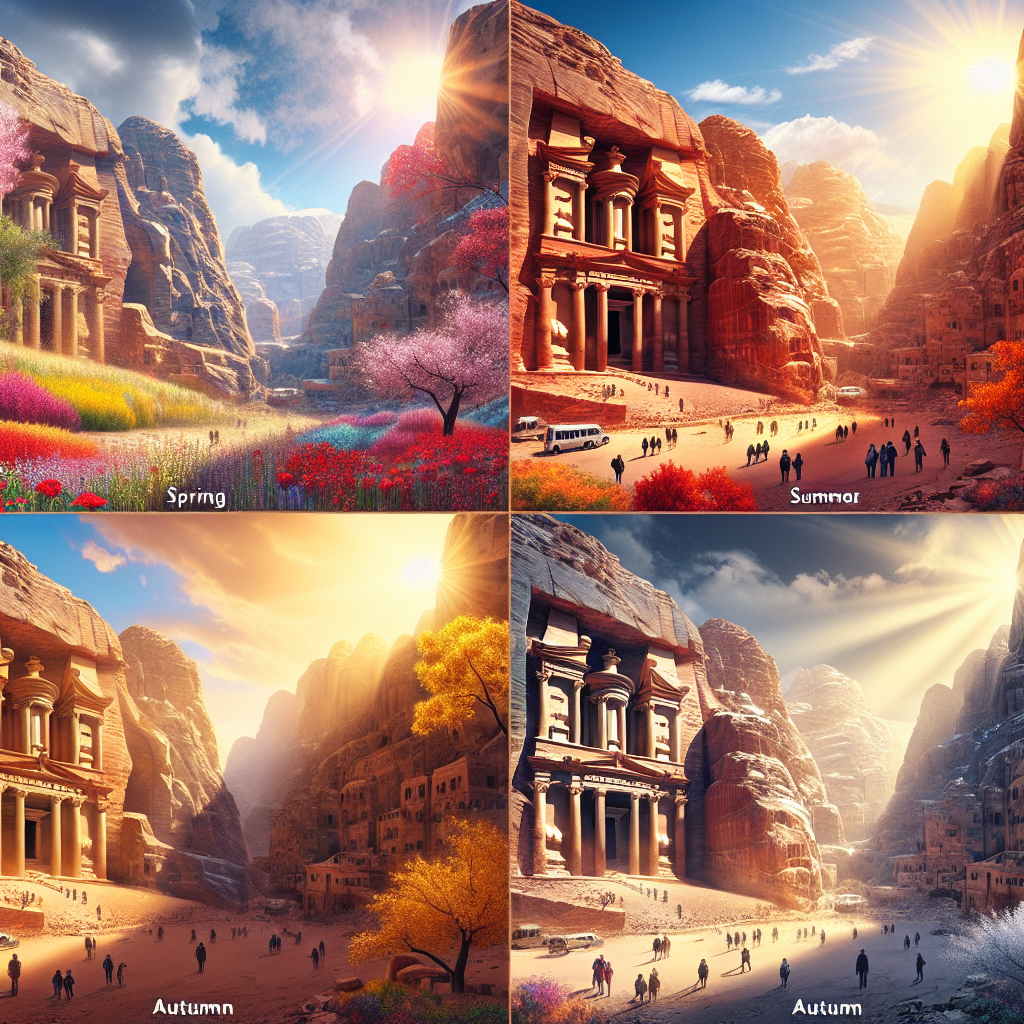
Best Time to Go to Petra Jordan: Seasonal Guide
Petra is open all year, but it doesn’t feel the same in every season.
Heat, light, and crowds can change your experience a lot.
If you want a simple answer: the best time to go to Petra Jordan is usually spring (March–May) and autumn (September–early November). These months balance weather and crowds better than the extremes of summer and winter.
Let’s break it down.
Check Petra travel guide
Understanding the Best Time to Go to Petra Jordan
Petra sits in the mountains of southern Jordan. That means:
- Summers can be hot and dry, especially in the middle of the day.
- Winters can be cold, with some rain and the chance of very chilly mornings and evenings.Especially in recent years, the south in general has witnessed heavy rainfall.
- Spring and autumn sit in the middle: warm enough to be pleasant, but not usually extreme.
So when you choose your dates, think about three things:
- Temperature – can you handle heat or cold?
- Walking time – Petra involves long walks and climbs.
- Crowds and prices – high season brings more people and sometimes higher hotel rates. Check our Petra official page for more info
Visiting Petra in Spring: Weather and Crowds
Months: roughly March, April, May
Spring is one of the most popular times to visit Petra.
What to expect:
- Temperatures: usually mild to warm during the day, cool in the morning and evening.
- Trails: comfortable for walking and hiking if you start early.
- Landscape: you may see more greenery around the area compared to other seasons.
Crowds:
- Expect more visitors, especially around Easter and public holidays.
- Midday around the Treasury can feel busy.
Spring is a good choice if you:
- Plan to spend a full day or two hiking to viewpoints and the Monastery.
- Don’t mind sharing the site with more people in exchange for nicer weather.
Visiting Petra in Autumn: Ideal Conditions
Months: mainly September, October, early November
Autumn feels similar to spring, and for many people it’s the sweet spot:
- After the peak summer heat starts to ease, days become more comfortable.
- Evenings can still be pleasant, though they get cooler into November.
Why autumn works so well:
- Good balance of daytime warmth and cooler nights.
- Trails are usually dry and clear.
- It’s easier to enjoy longer hikes without the intense summer sun.
- There are no crowds at hotels, facilities, or for tickets.
Like spring, autumn is busy, especially in late September and October, but the conditions are ideal for spending hours on your feet.
Summer vs. Winter: Pros and Cons
Summer (June–August)
Pros:
- Long days with plenty of light.
- Often fewer hikers on the more remote trails in the heat of the day.
Cons:
- Midday can be very hot, especially in exposed areas with little shade.
- You may need to avoid the middle of the day and focus on early morning and late afternoon.
Summer can work if you:
- Tolerate heat well.
- Are disciplined with timing, water, and breaks.
Winter (December–February)
Pros:
- Cooler daytime temperatures for walking.
- Generally fewer visitors than peak spring and autumn.
Cons:
- Shorter days mean less daylight for hiking.
- Mornings and evenings can be cold, sometimes close to freezing.
- Occasional rain can make paths slippery and the site feel harsher.
Winter can work if you:
- Pack proper layers (hat, gloves, warm jacket).
- Stay flexible with your plans in case of bad weather.
Read 3-day Jordan trip
Best Time of Day to Visit Petra
Whatever month you choose, time of day matters nearly as much as the season.
Morning
- Best overall choice for most visitors.
- Cooler temperatures, softer light, and slightly fewer people.
- You can walk the Siq and reach the Treasury before it gets too busy and hot.
If you’re planning longer hikes (like the Monastery or higher viewpoints), starting early gives you a safer and more comfortable window.
Read how to get to Petra
Midday
- Bright light and often the highest temperatures, especially in late spring and summer.
- The area around the Treasury and main paths tends to be busiest.
You can use this time for:
- Breaks in shaded spots or cafés
- Slower exploring rather than tougher climbs
Late Afternoon / Early Evening
- Light becomes softer again.
- Temperatures start to drop.
- The site slowly gets quieter as many day-trippers leave.
If your ticket and timing allow, staying into the late afternoon is a good way to see Petra in a calmer mood after the midday peak.
FAQ
Is Petra better in spring or autumn?
Both are good, but spring and autumn are usually the most comfortable seasons.
If you prefer slightly warmer evenings, early autumn can feel nicer.
If you like fresher air and don’t mind more chance of changeable weather, spring works well.
Is Petra too hot in summer?
It can be very hot in the middle of the day in summer, especially on exposed trails.
If you visit in June–August, plan to:
- Enter early in the morning
- Take a break at midday
- Continue later in the afternoon
Heat doesn’t make it impossible, but it does change how you structure your day.
Is winter a good time to visit Petra?
Winter can be a good time if you’re ready for cold mornings and evenings.
You’ll often find fewer crowds, but less daylight and the chance of rain.
Layers are essential, and you should check the forecast before longer hikes.
What is the best time to hike in Petra?
The best time to hike is usually:
- Early morning, starting soon after opening time
- Or late afternoon, when the sun is lower
These windows give you cooler temperatures and better light, especially on longer routes like the Monastery or high viewpoints.
When is Petra the least crowded?
You’ll usually find fewer people:
- In winter months, outside holidays
- Early in the morning, right after the site opens
- Later in the afternoon, as day tours start to leave
If you want quieter moments, combine a shoulder or low season month with early starts.