Jordan National Attractions: Complete Guide to the Country’s Most Famous Landmarks
Jordan is a small country with a lot packed inside it. Ancient cities, desert valleys, religious sites, and the sea all sit within a few hours’ drive of each other. When people talk about Jordan national attractions, they usually mean Petra, Wadi Rum, the Dead Sea, Jerash, and the main biblical sites along the Jordan Valley.
This guide gives you a clear overview, so you can see how these places connect and how to fit them into a simple itinerary.
Overview: Why Jordan Is One of the Middle East’s Top Tourist Destinations
Jordan sits at the crossroads of history and religion. You find Roman ruins, Nabataean cities, early Islamic sites, and key locations mentioned in the Bible, all in one country. On top of that, there are natural highlights like the Dead Sea and the desert of Wadi Rum.
The country is also a stable, accessible base for regional tourism. Many visitors fly into Amman, visit Petra and Wadi Rum, then combine Aqaba and the Dead Sea before flying out again.
Most classic itineraries link:
- Petra for ancient architecture and hiking
- Wadi Rum for desert landscapes and camps
- Dead Sea for floating and spa-style resorts
- Amman for city life, food, and day trips
Best time of year to explore national heritage attractions:
- Spring (March–May) and autumn (September–early November) are usually most comfortable, with mild temperatures.
- Summer can be very hot, especially in the Jordan Valley and the south.
- Winter is cooler and can be rainy, but still workable with the right clothing.
Jordan’s Most Famous Places
If you search for jordan country famous places, the same names appear again and again: Petra, Wadi Rum, the Dead Sea, Jerash, and Aqaba. These are the core national attractions most visitors try to include.
Petra: The Rose-Red City
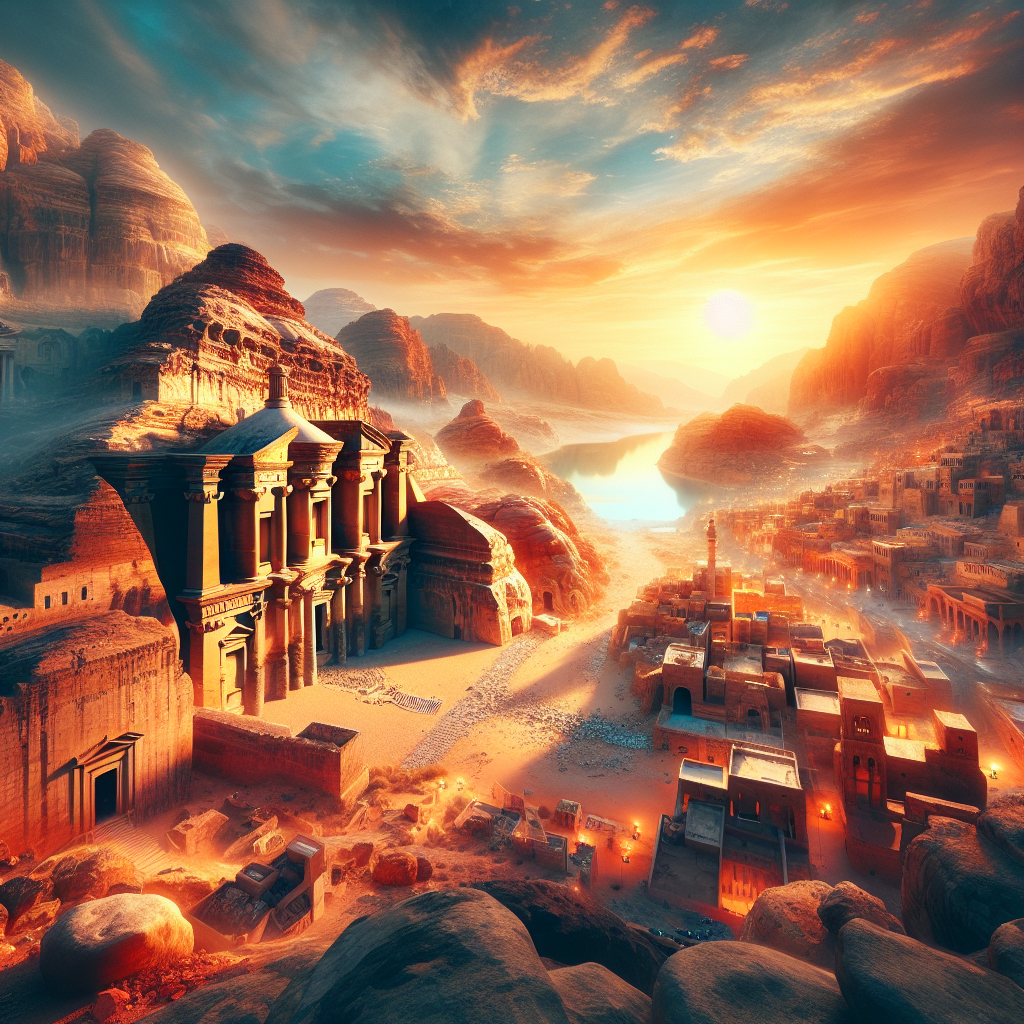
Petra is Jordan’s best-known site and a UNESCO World Heritage Site. It was carved by the Nabataeans into red and pink rock cliffs and was once a major trading city.
Top landmarks inside Petra include:
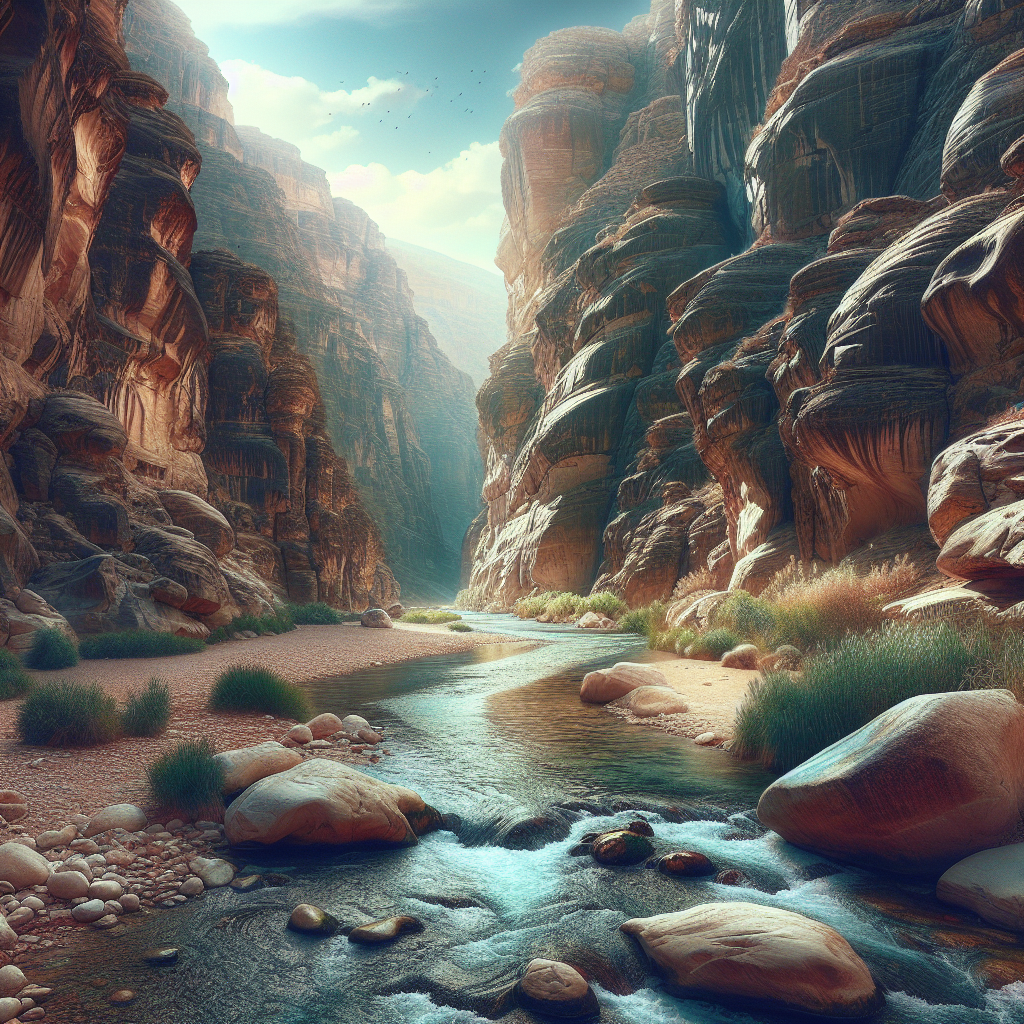
- The Siq (narrow canyon)
- The Treasury (Al-Khazneh)
- The Street of Facades
- The Theatre
- The Royal Tombs
- The Monastery (Ad-Deir) if you have time and energy to hike
Best time to visit Petra:
- Arrive early in the morning to avoid midday heat and crowds.
- Spring and autumn offer the most pleasant walking conditions.
Visit our official Petra page
Wadi Rum: The Valley of the Moon
Wadi Rum is a protected desert area in southern Jordan, known for its rock formations and wide open landscapes.
You can expect:
- Sandstone mountains, narrow canyons, and open desert plains
- Desert camps where you can stay overnight, from basic to more comfortable
- Traditional tea, simple meals, and stargazing at night
Common adventure activities:
- Jeep tours
- Short hikes and scrambles
- Camel rides
- In some cases, rock climbing or via ferrata-style trails with guides
Wadi Rum has also been used as a filming location for movies set on Mars or in other deserts, which is why some people recognize it from film scenes before they ever visit. official Wadi Rum page
The Dead Sea
The Dead Sea sits at the lowest point on Earth’s surface. Its water is so salty that you float without effort.
What most visitors do there:
- Float in the water for a short session
- Use the black mud on their skin
- Spend a day at a hotel beach or resort with showers, pools, and food
The area can be very hot, especially in summer, so it’s worth planning early morning or late afternoon time there if you are sensitive to heat.
Jerash
Jerash is one of the best-preserved Roman cities in the region. It gives you a clear sense of how a Roman provincial city was laid out.
Key archaeological sites include:
- The Oval Plaza
- Cardo Maximus (the main street with columns)
- The North and South Theaters
- Gates, temples, and city walls
Seasonal festivals and events sometimes use the site as a backdrop, especially in warmer months. Check local listings if you want to combine your visit with a performance. Jerash official page
Aqaba
Aqaba is Jordan’s window on the Red Sea. It’s a good place to rest at the end of a busy trip.
Main reasons to go:
- Beaches and warm water
- Diving and snorkeling on coral reefs
- Boat trips and water activities
You can use Aqaba as an exit point after visiting Wadi Rum and Petra, or as a base for a few days of slower travel.
Religious and Biblical Sites in Jordan
Jordan has several sites linked to events and figures from the Bible, along with early Christian and later religious history.
Bethany Beyond the Jordan (Baptism Site)
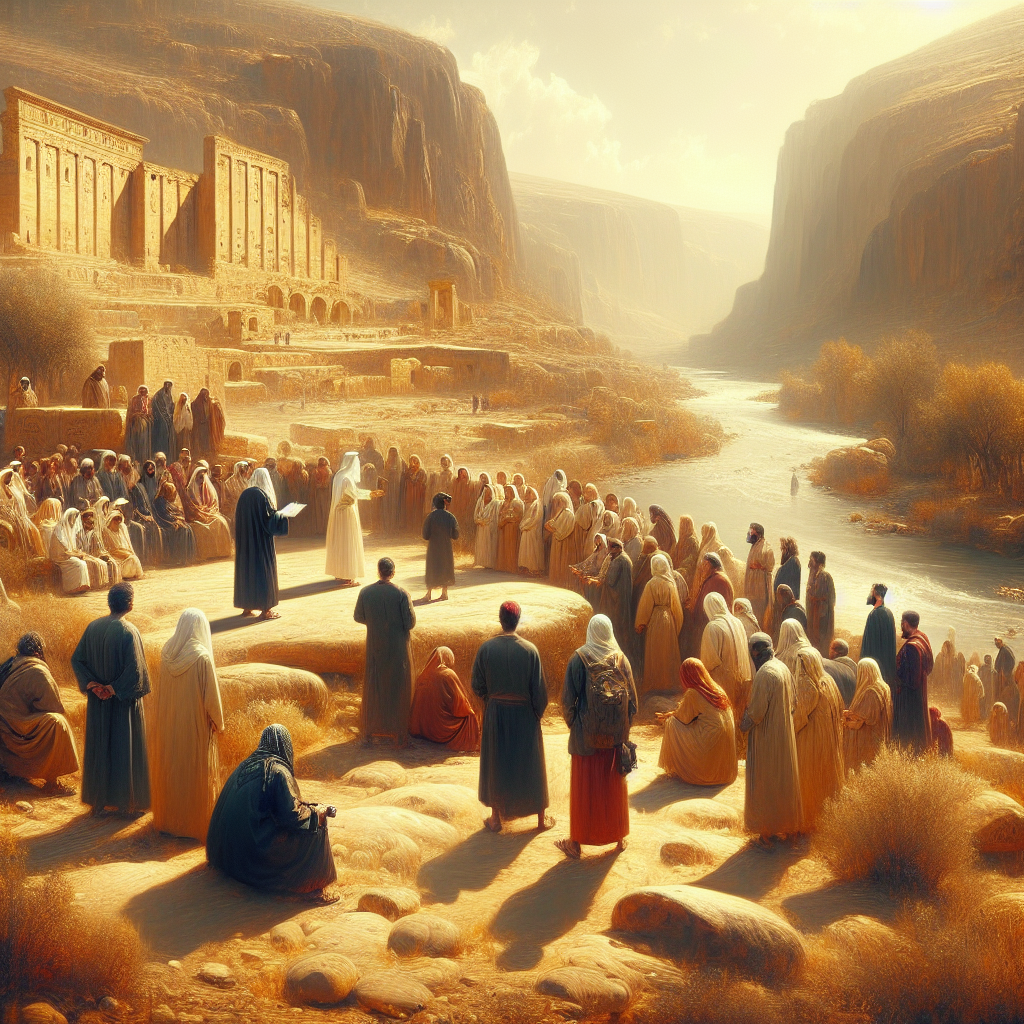
Bethany Beyond the Jordan is widely recognized as the site of Jesus’ baptism. It is also a UNESCO World Heritage Site.
On a typical bethany beyond the jordan tour, you:
- Join a guided visit (independent wandering is usually limited)
- Walk or take a shuttle to areas near the river
- See churches, chapels, and archaeological remains connected to early Christian communities
Tours are organized and usually follow a set path, so you move through the site in a small group.
Bethany beyond the Jordan tour
Mount Nebo
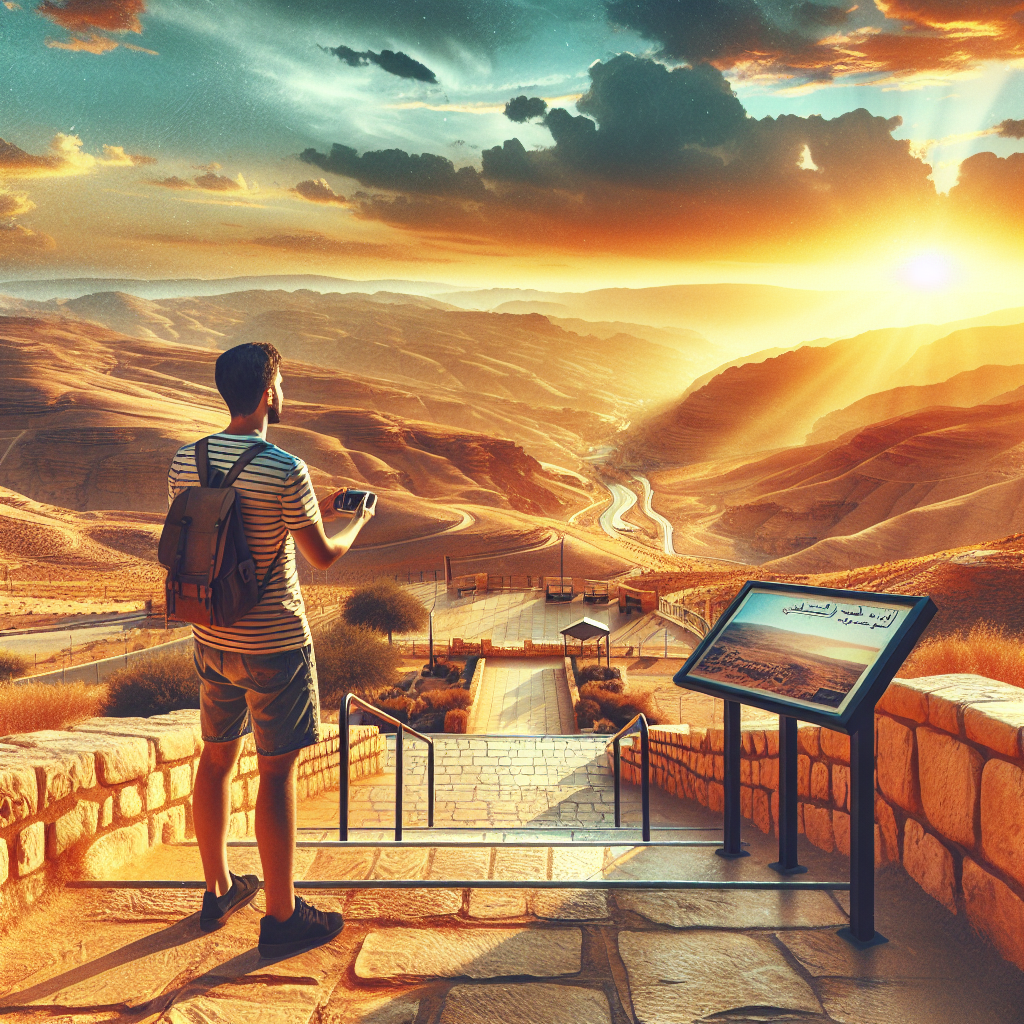
Mount Nebo is traditionally associated with the place where Moses viewed the Promised Land. It offers a broad view over the Jordan Valley toward the Dead Sea and, on clear days, toward Jerusalem.
At Mount Nebo you’ll find:
- The Moses Memorial Church, built over earlier churches
- Mosaic floors and archaeological remains from early Christian periods
- Outdoor viewpoints with orientation signs
If you are planning a visit and wondering where is mt nebo in jordan, the answer is simple: it sits near the town of Madaba, and is easy to reach from both Madaba and Amman.
Other Sacred Sites
There are several smaller but important religious locations, including:
- Mukawir (Machaerus): linked to Herod and stories from the New Testament
- Umm ar-Rasas: archaeological site with significant mosaics
- Madaba mosaics: including the famous map mosaic in St. George’s Church, showing the region as it was imagined centuries ago
- Wadi Al-mujib
Read wadi al-mujip visitor center
These places work well as part of a combined “central Jordan” day, starting from Amman or Madaba.
Jordan River: Geography and Religious Importance
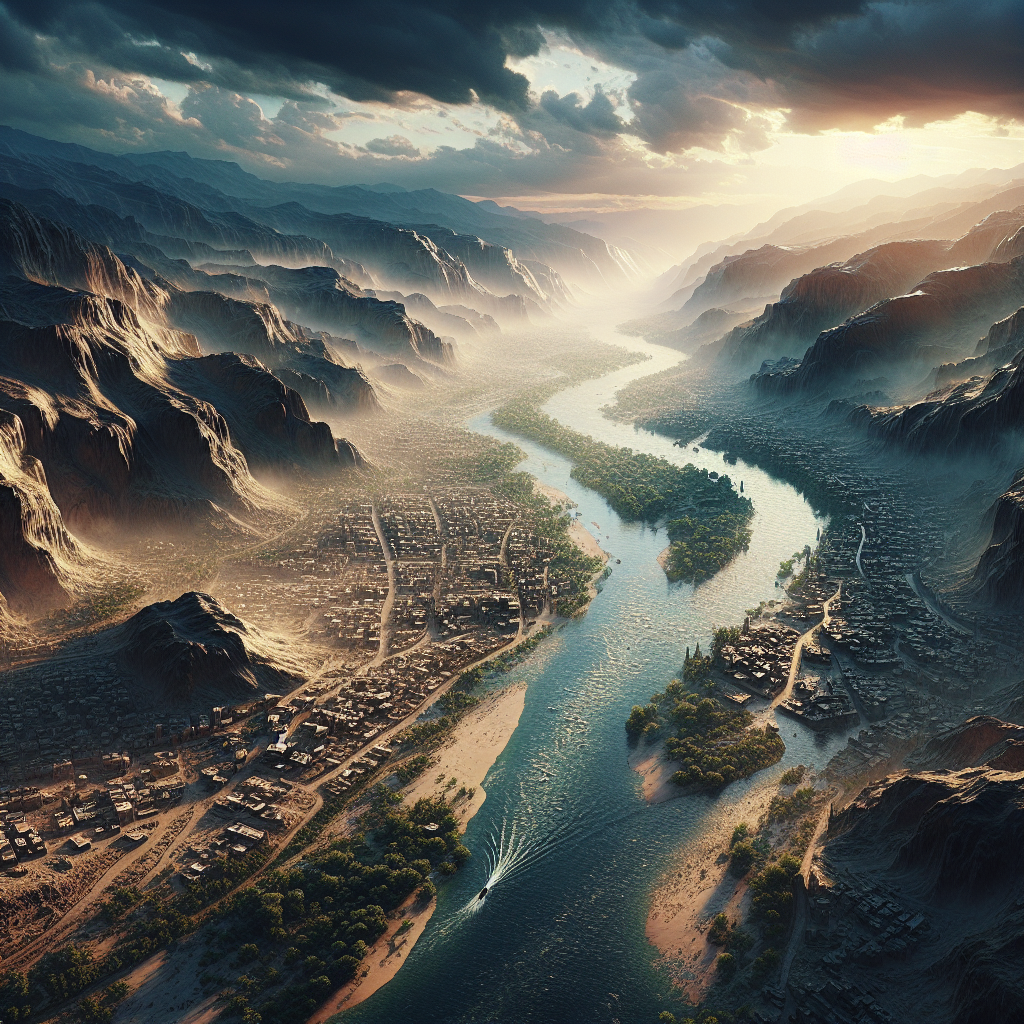
The Jordan River runs through the Jordan Valley and plays a central role in religious and regional history.
If you’ve ever asked where is the jordan river in the middle east, the simple answer is: it flows along the border area between Jordan and Israel/Palestine. Jordan river location
Key points:
- The river starts near the Sea of Galilee, then flows south
- It ends in the Dead Sea, where the water has no outlet
- It is significant in Christianity, Judaism, and Islam
For visitors and pilgrims, access is usually through specific sites like Bethany Beyond the Jordan on the Jordanian side, and other managed locations where you can reach the water safely and within official boundaries.
Maps and Navigation for National Attractions
Bethany Beyond the Jordan Map
The site has a set route for visitors, and most people follow a structured path. A good bethany beyond the jordan map helps you understand:
- The walking path and shuttle route
- Key landmarks, such as churches, baptism locations, and viewpoints
- The location of visitor centers, rest areas, and facilities
Because it’s a sensitive and managed area, you usually explore with a guide rather than wandering freely.
Mount Nebo Location and Access
Mount Nebo is straightforward to reach:
- From Amman, you drive toward Madaba and follow signs to Mount Nebo (around 45–60 minutes by car, depending on traffic).
- From Madaba, it’s a shorter drive, often 15–20 minutes.
Check Mount Nebo location
Best time of day to visit:
- Morning or late afternoon often gives better light and cooler temperatures.
- Clear days after rain can offer the best visibility, but views are never guaranteed, as haze is common.
Photography works well from the main viewpoints and near the church, but be mindful of other visitors and religious services.
Entrance Fees and Ticket Information
Mount Nebo Entrance Fee
Mount Nebo has an entry ticket, paid at the site. Prices can change, but you usually pay per person at a small ticket office before entering the church and viewpoint area.
A guide to mount nebo entrance fee should cover:
- Current ticket prices and any reduced rates for certain categories
- Payment options (cash, card where available)
- What’s included (access to the church, mosaics, viewpoints, and facilities)
- Whether the Jordan Pass covers the site or not, based on up-to-date rules
Bethany Beyond the Jordan Ticketing
The Baptism Site functions through a managed system:
- Entrance fees include a guided tour and shuttle bus within the site
- You generally cannot visit without joining the official tour path
- There may be different prices for residents, foreign visitors, or groups
Because of the structure, it’s important to arrive at a time that matches scheduled departures, so you don’t have to wait too long for the next tour.
Planning Your Visit to Jordan’s National Attractions
To connect all these national attractions, it helps to think in simple blocks of time.
Suggested itineraries (examples):
- 1 day: Amman + Jerash, or Amman + Dead Sea, or Madaba + Mount Nebo + Dead Sea
- 3 days: Amman + Jerash, Petra, Wadi Rum (very compressed, but possible)
- 7 days: Amman and day trips, Petra (1–2 days), Wadi Rum (1 night), Dead Sea, plus either Aqaba or extra time at religious sites
Transport options:
- Car rental: most flexible, good roads between main attractions
- Organized tours: useful if you prefer not to drive or plan logistics
- Private drivers: middle ground between self-drive and group tours
Best seasons for outdoor exploration are spring and autumn, when temperatures are more balanced in both the highlands and lowland areas like the Jordan Valley.
Visitor etiquette for religious and archaeological sites:
- Dress modestly, especially at active religious locations
- Follow signs and stay on marked paths in archaeological areas
- Avoid touching fragile remains or climbing on ruins
- Be quiet and respectful where people are praying or attending services
Related Guides
To go deeper into specific areas, connect this overview with more focused guides, such as:
- Petra travel logistics: how to reach Petra, ticket types, and route ideas inside the site
- Amman attractions guide: detailed look at the capital’s neighborhoods, museums, and markets
- Aqaba and Dead Sea visitor guides: where to stay, what to do, and how long to spend in each area
- Jordan itinerary planning resources: ready-made 5-, 7-, and 10-day plans that link all these national attractions into one trip
Use this page as your high-level map of Jordan national attractions, then follow the related guides as you refine the details of your route.