Jordan - Nature’s
Best-Kept Secret

The nature of the land has for centuries shaped the nature of its inhabitants; and the nature of the land here has inspired hospitable people, varied local cuisine and remarkable experiences.

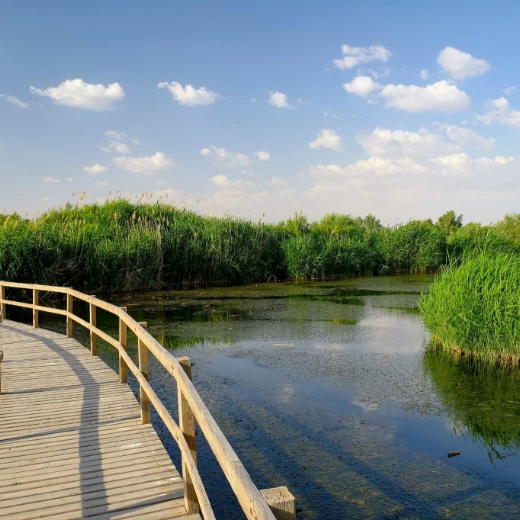
Azraq Wetland Reserve

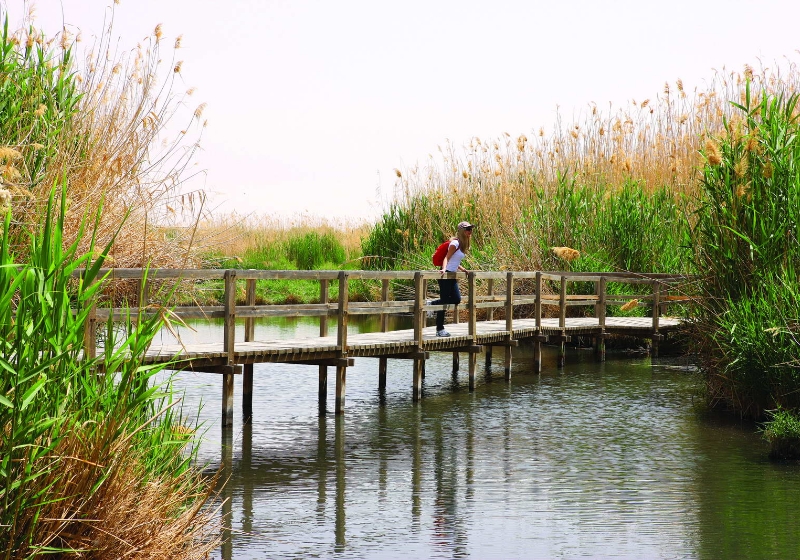
Azraq is a unique wetland oasis in the heart of the semi-arid Jordanian desert. The Reserve, managed by the RSCN, is a perfect location to bird watch, especially during the migration seasons when a wide variety of birds stop for a rest during their arduous trip between Europe and Africa. Some birds stay for winter or breed within the protected area of the wetland.

The attractions of the Reserve include several natural and ancient built pools, a seasonally flooded marshland, and a large mudflat known as Qa’a Al-Azraq.

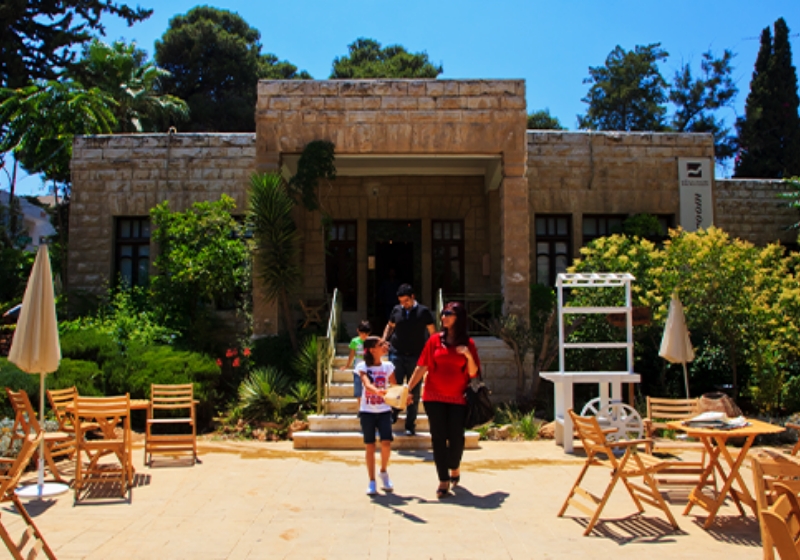
From the Azraq Eco-lodge, a wide range of activities are possible. In addition to bird watching in the nearby wetland reserve, it is possible to go on a day or night safari in Shawmari, or you can take one of several tours to explore the wide expanses of the Eastern Desert. Much of this desert consists of black basalt, which creates stark and unusual landscapes. The desert contains remnants of extinct volcanoes and many archaeological sites. Excursions on 4x4 can be arranged, with overnight camping with Bedouins. Remember to visit the Reserve’s Visitors’ Center and its interesting Nature Shop. Visitors can also share a home cooked meal with locals, visit one of the five different projects for women, cycle at the Azraq Druze village and enjoy some bird watching..

Did You Know?

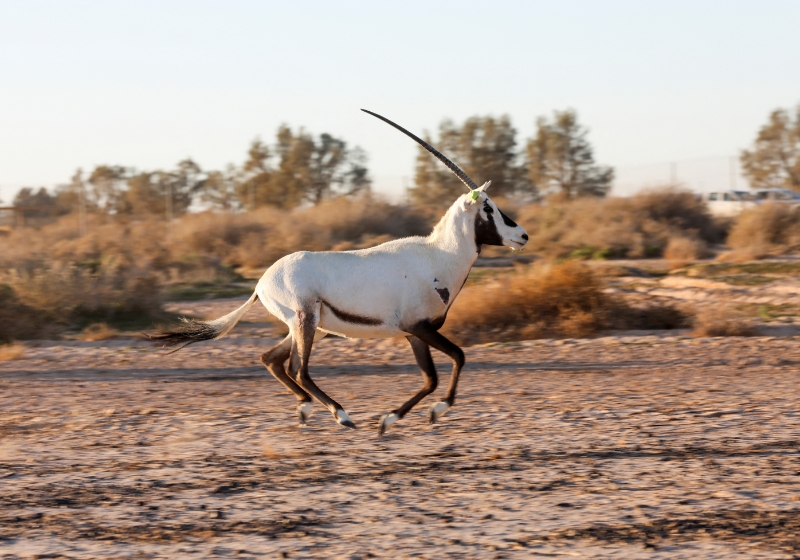
  • The Oryx, an elegant white antelope, became extinct in Jordan around the 1920s.
  • The last known wild Oryx in the world was killed by hunters in Oman in 1972.
  • In 1978, eleven Oryx were re-located to Shawmari.
  • The number of Oryx has now increased to a phenomenal two hundred!

Help Preserve Jordan’s Natural Landscapes

Helping to preserve Jordan’s beautiful natural landscapes can be achieved by following some simple steps. Here are a few tips:

  • Keep noise levels down as noise can disturb birds and other animals.
  • Keep to proper footpaths, do not feed wildlife, and do not pick flowers or other plants.
  • Do not damage trees and do not spray historic monuments with graffiti.
  • Water is scarce in Jordan, so please conserve and keep water sources clean.
  • Stick to designated roads when driving. Off-road motoring is both risky and damaging to the environment.
  • Be aware that fire-making is strictly prohibited in all reserves, except in designated barbecue pits. Do not approach, threaten or feed wild animals.

Community Engagement Projects

The Jordan Trail

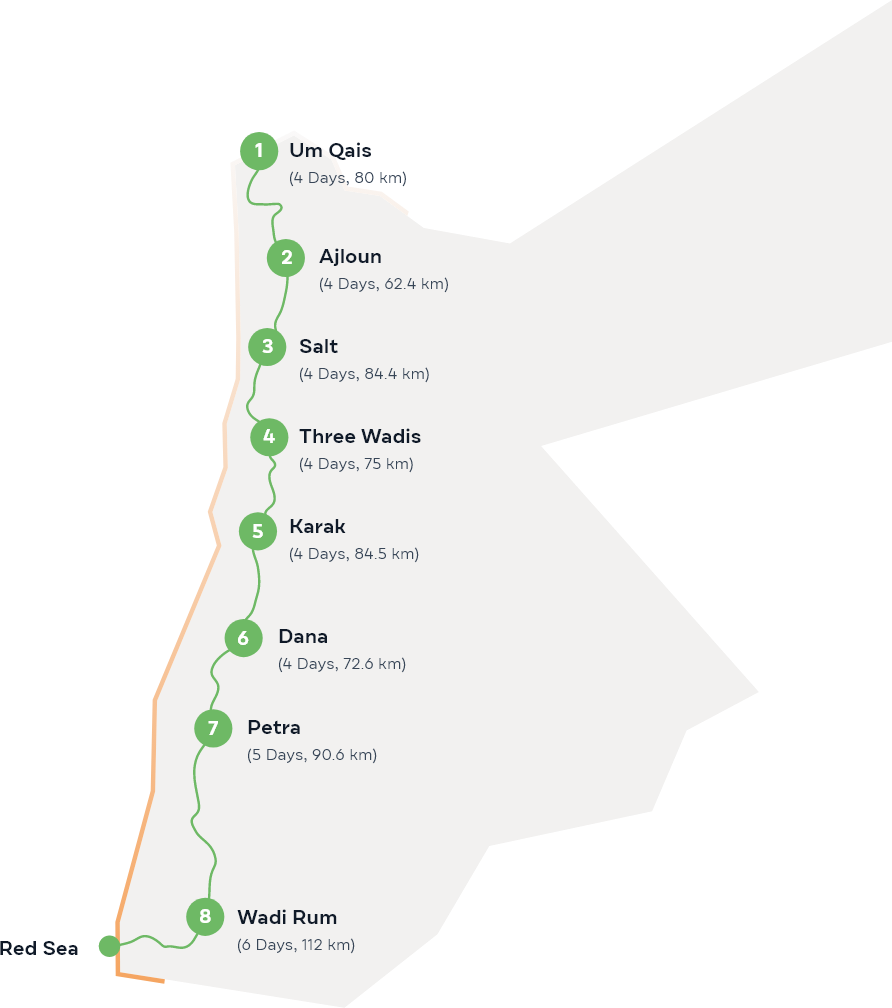
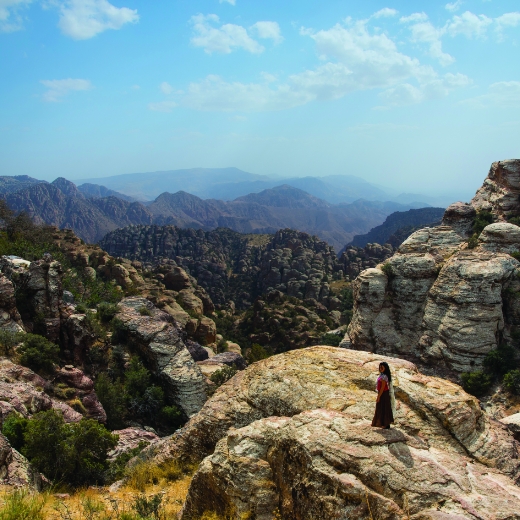
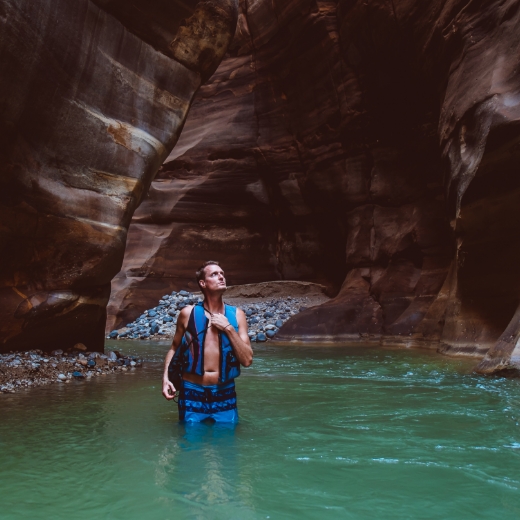
"The Jordan Trail is a long distance hiking trail in Jordan connecting the length of Jordan from Um Qais in the north to Aqaba in the south. Offering 40 days of hiking over more than 650 kilometers of trail, and travelling through 52 villages and towns on its way. The trail traverses the diverse landscapes and vistas of the country, from the rolling wooded hills of the north, the rugged wadis and cliffs overlooking the Jordan Rift Valley, the rose rock city of Petra, the dramatic sands and towering mountains in Wadi Rum, to the crystal waters of the Red Sea.

As you walk the Jordan Trail, it becomes a journey through the history of Jordan and an encounter with its diverse culture.

Travelling the length of the country enables visitors the chance to peel through the different layers of culture, to taste the varied cuisines of Jordan, encounter locals while walking and spending your nights in their homestays. It is also an opportunity to learn the history of Jordan, the different civilisations who have made their marks on the land. The trail moves through major historical sites in the region such as Um Qais, Jerash, and Petra, while also harbouring hidden ruins resting amongst the land.

Learn more

World Heritage Sites in Jordan

Learn more
Dana Biosphere Reserve
Mujib Nature Reserve
Azraq
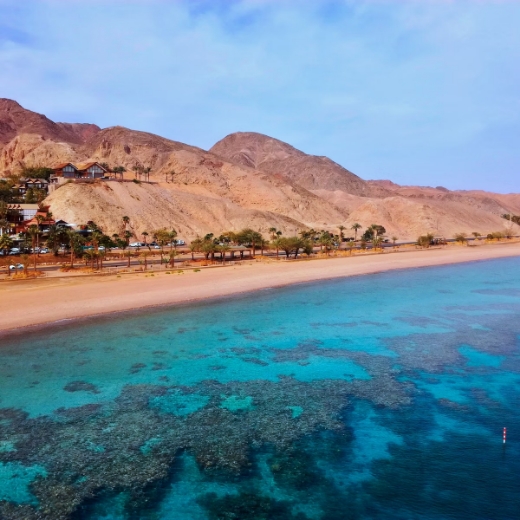
Aqaba Marine Reserve
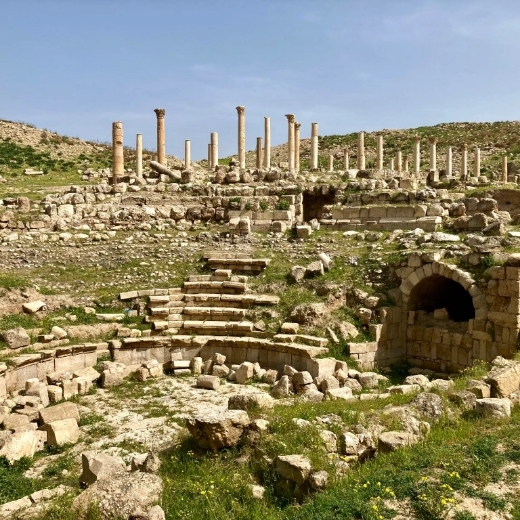
Pella (Tabqet Fahel)
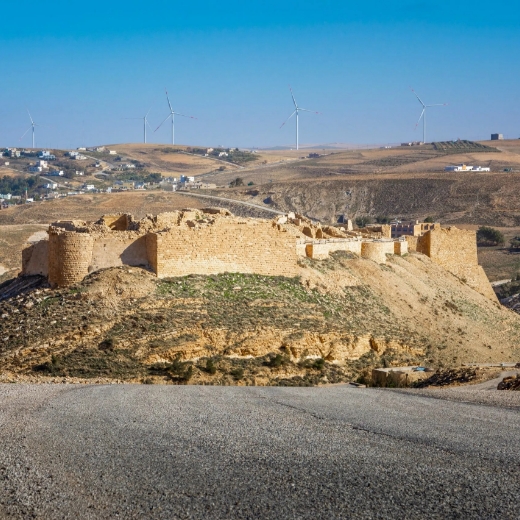
Shobak Castle