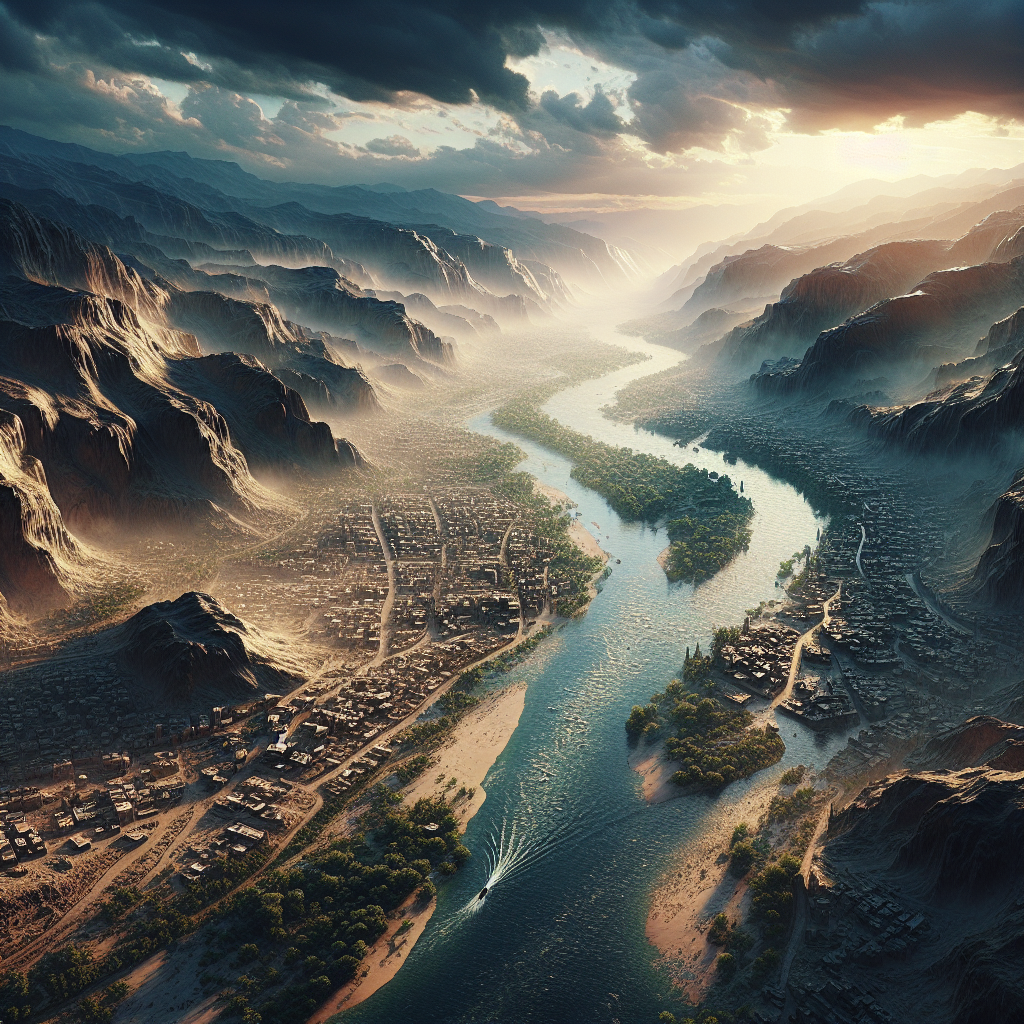
Where Is the Jordan River in the Middle East? Full Guide
If you’ve ever searched where is the jordan river in the middle east, the short answer is this: it runs through the Jordan Rift Valley, forming parts of the border between Israel and the West Bank on one side, and Jordan on the other. It flows south into the Dead Sea. A lot of confusion comes from thinking of the river as one single “spot” on a map. In reality, it’s a long route with different sections and access points.
This guide breaks down the river’s route, the places it passes, and where you can visit today.
If you’re planning a wider route around the country, start with the Jordan attractions guide.
Understanding Where Is the Jordan River in the Middle East
The Jordan River sits in one of the most important natural corridors in the region. It’s part of a long geological trench called the Jordan Rift Valley, which stretches from the north down to the Dead Sea.
People often picture one single “Jordan River spot,” but it’s better to think of it as a system. It starts from several water sources in the north, then becomes a main river that runs south.
You’ll see the question where is the jordan river in the middle east answered in many ways online, but most explanations point to the same core idea: it’s the river that links northern springs and rivers to the Dead Sea, cutting through a historically dense landscape.
Geographic Route of the Jordan River
Here’s the river’s route in simple steps:
· Headwaters in the north: Several streams and springs feed the upper Jordan area.
· Into the Sea of Galilee (Lake Kinneret): The river system connects into this large freshwater lake.
· Out of the Sea of Galilee: The Jordan continues south from the lake.
· Down the Jordan Valley: It winds through a low, warm valley with farmland and wetlands in parts.
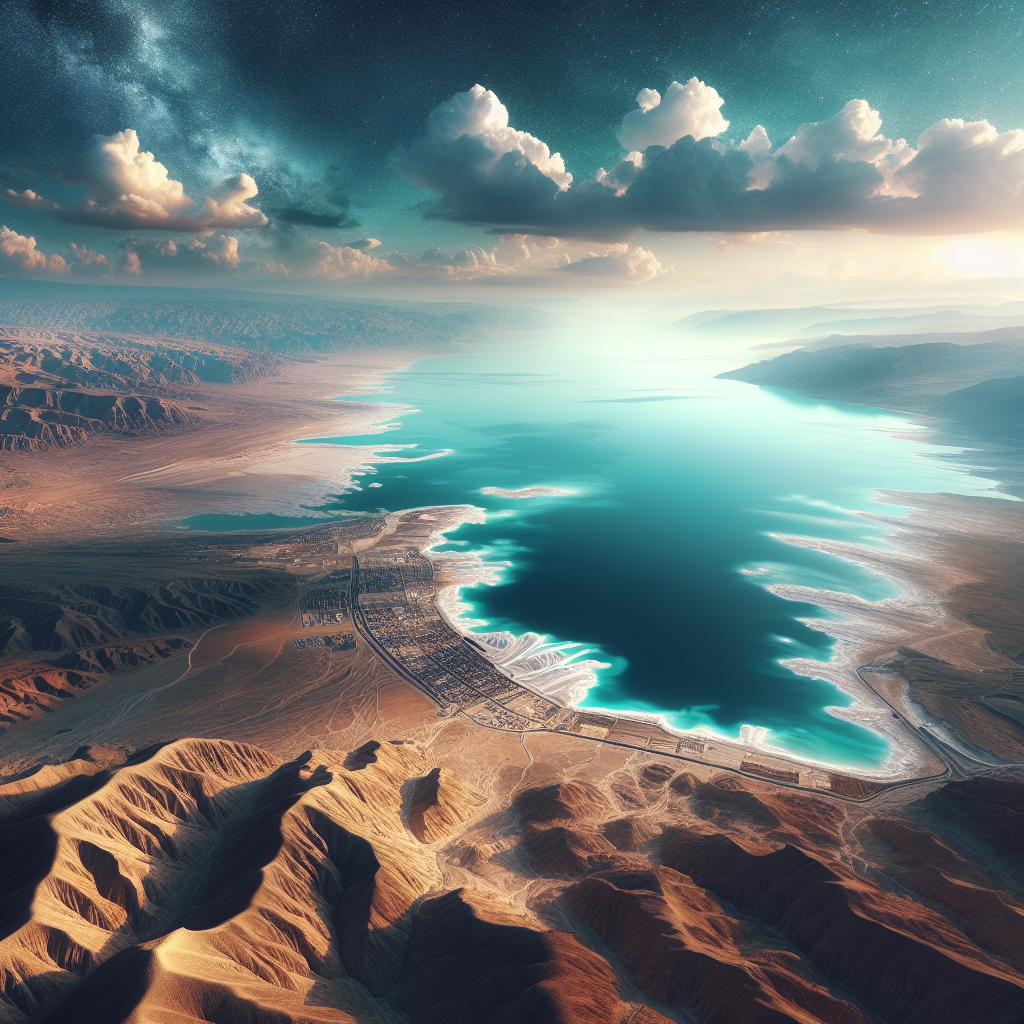
· Ends at the Dead Sea: The river empties into the Dead Sea, which has no outlet.
This north-to-south flow is what gives the river its role as a natural line through the region. If you trace it on a map from north to south, you’ll also see why it ends at the Dead Sea: the land keeps dropping in elevation, and the Dead Sea sits at one of the lowest points on Earth.
Countries and Regions the Jordan River Passes Through
Depending on which part of the river you mean, the Jordan River is connected to:
· Israel(Occupied Palestine): The river flows through and alongside Israeli territory, especially in the area south of the Sea of Galilee.
· The West Bank: In sections, the river runs along the boundary between the West Bank and Jordan.
· Jordan: Along much of its length, the river marks Jordan’s western edge.
So if someone asks where is the jordan river in the middle east, a practical answer is: it sits between Jordan and Israel/West Bank for much of its course, starting near the northern border area and ending at the Dead Sea.
Historical and Religious Significance
The Jordan River matters for history because it’s tied to settlement patterns, agriculture, and movement through the region. River valleys attract people, and this one has been lived in, traveled through, and shaped by conflict and cooperation for a very long time.
It also matters for religion. Many travelers come because of its role in pilgrimage traditions, especially around recognized baptism sites.
If you’re planning this side of a visit, these two resources are useful starting points:
· Religion & Faith (pilgrimage sites)
And if you want a focused stop linked to pilgrimage routes, this helps you plan the site visit:
· Bethany pilgrimage tour
Best Places to Visit Along the Jordan River
You don’t “do” the Jordan River in one single viewpoint. You usually visit key areas near it, or places tied to its geography. If your time is limited, pick two nearby stops for the same day instead of spreading your plan across too many places.
Bethany Beyond the Jordan (Jordan side)
A major pilgrimage location near the river, with visitor access set up around key points. Bethany pilgrimage tour
Jordan Valley viewpoints and countryside
Some stretches are more natural, others are agricultural. It’s a good area for quiet stops and photos, especially in softer light.
The Dead Sea (river endpoint area)
Even though it’s not “the river” itself, it’s where the river ends. Many trips combine both in one itinerary. Use this for planning: Dead Sea travel guide
Mount Nebo (nearby, not on the river)
Mount Nebo isn’t part of the river, but it’s often paired with Jordan River-area visits because it’s close and linked to regional history and views. Mount Nebo guide
FAQ
Where does the Jordan River start and end?
It starts from northern headwaters (fed by several streams and springs), flows through the Sea of Galilee, and ends in the Dead Sea.
Why is the Jordan River important?
It’s important for geography, regional history, and religious tradition. It also shaped settlement and agriculture in the Jordan Valley.
Can tourists visit the Jordan River?
Yes. Tourists can visit recognized access points and nearby sites, especially on the Jordan side at Bethany Beyond the Jordan, and in surrounding areas.
Is the Jordan River mentioned in the Bible?
Yes. The Jordan River appears many times in the Bible and is linked to key events and locations.
Is the Jordan River safe for swimming?
It depends on the exact spot. Water quality, currents, and access rules vary by section. Treat swimming as an option only in places that are clearly allowed and managed, and always follow local guidance on conditions that day.